
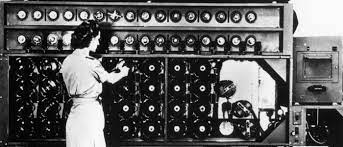
We are truly living through amazing times. While technologies and processes have evolved dramatically over the past 50 years, the central mission of transforming raw data into actionable knowledge remains constant. Success in this realm continues to be measured along two crucial dimensions: speed and quality. This desire to turn data into knowledge 'gold' predates the information age itself. Take Alan Turing's critical work cracking the Enigma code, where the speed and quality of data transformation literally meant the difference between life and death.
It was the introduction of significant compute power in the 1970s, aided by increasingly sophisticated data mining and structuring techniques, that truly ignited the data-to-knowledge revolution. Today, AI and ML act as potent turbochargers in this transformation chain. They are not the finish line of the digital age, but rather incredible tools that, when wielded well, can dramatically accelerate the path from data to knowledge. This, in turn, unlocks solutions previously too expensive or complex to contemplate, and unveils opportunities we have yet to fully grasp.
If Data is the fuel and AI and ML are the engines driving our digitally transformed world, then spatial computing (specifically VR, AR, and digital agents) are the intuitive interfaces that will allow us to interact with it seamlessly. AR glasses will become our digital lenses, providing personalized and contextually-aware information and services just-in-time. Real-time, dynamic content surfaced through AI recommendations can create truly enriching experiences, eliminating the need for us to wade through data overload.
Equally, creating and sharing digital content will become far more natural and lifelike using speech, gestures, and movements through future spatial devices. These human-centric interfaces, both for consuming and producing in the digital realm, will allow us to truly capitalise on the wealth of services and assets that AI and ML are rapidly unlocking.