
In my 35-year IT career, I don't think I've come across a step-change technology as divisive as AI. From what I can tell, there are four main camps of thinking around the impact of AI (I'm going to lump Data Science, ML, and Generative AI together for the sake of this, but knowing that doing so is, in itself, part of the problem): Anyway: Camp 1 - AI is evil, needs to be stopped at all costs before it destroys us all. Camp 2 - AI is an incredible transformative technology that will completely change how we work and live in the coming years.
Camp 3 - AI is a broad set of somewhat useful tools that will impact some more than others but generally will enhance and improve the way we create and consume digital content, data, and services. Camp 4 - AI is just an overhyped investment honeypot, aimed to over-inflate the value of otherwise struggling tech companies and give consultants another 'in' with clients. It will have no discernible long-term impact. For the record, I sit in Camp 2, but recognise those folks in Camp 3 have a valid perspective. Those in Camps 1 and 4, not so much.
What I find most interesting is that, as AI tools and services become increasingly more accessible and useful, so does the apparent stigma about using them. Nowhere is this more visible than in the technology sector itself, where even the mention of AI can cause an equally hostile and defensive response. Developers who swear they never touch Copilot, digital designers who wouldn't know where to start to create a prompt in Firefly, and product managers who will tell you they've never heard of Claude all portray a world where AI is not just frowned upon-it is actively verbally disassembled at every opportunity.
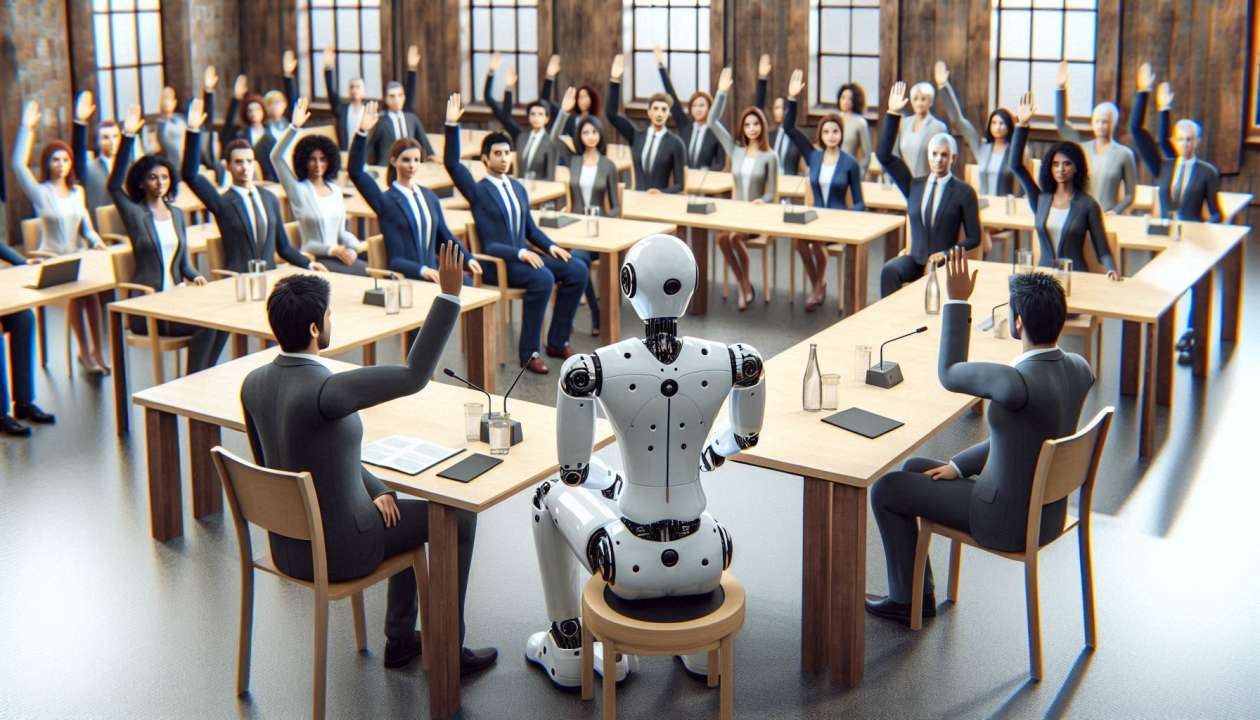
I saw a recent social media post from a head of a digital agency who threatened to fire any employee on the spot if they even opened a ChatGPT browser window. In the real world, however, adoption of AI tools and services is gathering pace. I recently spoke at a local Chamber of Commerce event about the future of AI agents and was encouraged to find, through a show of hands, that almost everyone was employing some form of AI to increase productivity and optimise their workflow. Solicitors who used local LLMs to summarise documents, recruiters who used AI to optimise listings, project managers who used Copilot to improve the quality of the documents they produced.
The general mood of the room was that while many didn't fully understand how the technologies worked, they could easily enough articulate where they could use them, and everyone felt that they had benefited from it. Look, I do recognize the limitations of some of this technology, transformers in particular, but I also see the impact and value it brings. For most people, the benefits, whether marginal or great, are tangible and real. Adoption will happen, and it will be swift.